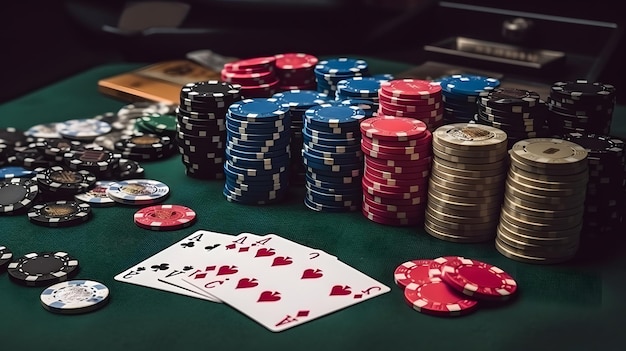
Understanding the House Edge
One of the most prevalent misconceptions about casinos is the belief that the house always wins due to a fixed advantage. The house edge denotes the statistical advantage that casinos maintain over players in various games. Many gamblers operate under the false notion that luck can sometimes help them outsmart this edge. However, regardless of strategy, the inherent probabilities in games like slots, blackjack, or roulette remain unchanged, which is why players often turn to platforms like WinSpirit casino for a diverse gaming experience. The house edge is meticulously calculated to ensure that, over a prolonged period, the casino will always generate a profit.
While players can indeed win substantial amounts during particular gaming sessions, it’s essential to understand that the longer they play, the higher the likelihood that the odds will tilt in favor of the house. Understanding the house edge is crucial not just as a mathematical concept but also in recognizing how factors like game rules and player choices can influence outcomes. By grasping the nuances of the house edge, players can make more informed decisions about the games they choose to play.
Moreover, the misconception surrounding luck often leads players to believe that a significant win is merely a matter of time. Although luck can impact short-term results, the long-term outcomes are predictable based on the established house edge. Thus, having a solid understanding of this concept is vital for anyone who wishes to participate in casino games while maintaining realistic expectations about winning and losing. Recognizing that the house edge is not merely a number but a guiding principle can help players approach gambling with a more informed mindset.
Myths about Winning Strategies
A widely held myth in the gambling community is the existence of foolproof strategies that guarantee consistent wins. Many gamblers subscribe to various betting systems, such as the Martingale strategy, which involves doubling bets after losses to recoup losses. While these strategies might offer a sense of control, they fundamentally ignore the house edge and the risks of substantial losses. Relying on such systems can lead players to wager more than they had originally intended, potentially resulting in financial distress.
Moreover, casinos invest heavily in the design and mathematics of their games to ensure that no strategy can consistently yield a winning outcome over time. Card counting in blackjack is frequently touted as a method to gain an edge; however, casinos have instituted multiple measures to counteract this practice. Players should recognize that while certain strategies may appear advantageous at first glance, the unpredictable nature of casino games—governed by random number generators and shuffling mechanisms—means that outcomes remain uncertain.
Ultimately, the belief in effective winning strategies can cultivate unrealistic expectations and lead to disappointment. Instead of fixating on strategies, players should focus on enjoying the games and comprehending the odds involved. By engaging responsibly and setting limits, players can enhance their experience without falling victim to the allure of mythical winning systems that promise more than they can deliver. Understanding that the thrill of gambling lies in the experience itself, rather than chasing elusive strategies, can lead to a more fulfilling time at the tables.
The Role of Luck vs. Skill
Another common myth in the realm of casinos is the oversimplified notion of luck versus skill in various games. Many individuals perceive games like poker as purely skill-based, while they categorize games like slots as solely based on luck. This binary perspective neglects the reality that both elements play pivotal roles in many casino games. For instance, while poker requires a blend of skill, strategy, and psychological insight, it also involves an element of luck based on the cards dealt. Conversely, while slots are predominantly games of chance, understanding their mechanics and payout structures can still influence the player’s overall experience.
Furthermore, the assumption that one can solely depend on luck to achieve wins is misleading. Seasoned poker players acknowledge that while their skill can significantly enhance their chances of winning, they must also contend with the unpredictable nature of luck. This interplay between skill and luck creates a dynamic gaming environment, emphasizing the need for players to remain prepared for both wins and losses throughout their gambling journey. Recognizing the balance between these two elements can help players strategize more effectively and manage their expectations.
In games where skill plays a significant role, such as blackjack or poker, honing one’s abilities can indeed provide a competitive edge. Nevertheless, even the most skilled players cannot entirely evade the effects of bad luck. Acknowledging the influence of both luck and skill can help players maintain a balanced perspective on their gambling experiences, allowing them to relish the excitement of the games without becoming overly frustrated by unfavorable outcomes. Ultimately, understanding that both elements coexist in many games enriches the gambling experience, making it not just about winning or losing but about the journey itself.
The Illusion of Control
Many gamblers fall prey to the illusion of control, mistakenly believing that their choices and actions can influence the outcomes of games. This misconception is particularly evident in games such as dice and roulette, where players often engage in rituals or superstitions, convinced that these behaviors can sway the results in their favor. Whether it’s tossing dice in a specific manner or wearing particular lucky items, players err in thinking they can manipulate the odds. In reality, the outcomes of these games are governed by chance and probability, and are entirely independent of player behavior.
Moreover, the belief in the illusion of control can lead to detrimental gambling habits. Players may chase their losses, convinced that if they alter their approach or try harder, they can eventually win back their lost funds. This mindset may result in considerable losses and could lead to gambling addiction. Understanding that outcomes are determined by random processes rather than any personal influence is crucial for engaging in responsible gaming practices. By dispelling this illusion, players can make more informed and rational decisions about their gambling activities.
Recognizing the illusion of control can ultimately pave the way for healthier gaming habits. Players should aim to appreciate the entertainment value of casino games rather than attempting to exert control over inherently random events. By adopting a mindset that values the unpredictability of gambling, individuals can foster a more enjoyable and sustainable gaming experience that prioritizes fun over fixation on outcomes. Emphasizing enjoyment over control can lead to a more positive relationship with gambling and an enhanced overall experience.
Finding Reliable Information Online
In today’s digital landscape, players often seek out information and strategies for successful gambling through online platforms. However, not all sources of information are equally trustworthy, and misinformation is prevalent. It’s crucial for players to distinguish between credible sources and those that perpetuate myths and misconceptions. Reputable websites typically offer data-driven insights and expert opinions, whereas less reliable sources might provide anecdotal evidence or promote baseless strategies. This disparity can significantly impact a player’s understanding of gambling.
To navigate this information jungle effectively, players should research the credibility of the online platforms they engage with. Look for sites that provide reviews, comparisons, and educational content grounded in statistical analysis. Additionally, interacting with communities such as forums and blogs can enhance understanding of the casino environment, as these often host discussions based on real experiences rather than unfounded myths. The ability to discern valuable information is vital in fostering better gambling practices.
Ultimately, being well-informed is essential for successfully navigating the casino world. By prioritizing reliable sources and being discerning about where they gather information, players can develop a clearer understanding of the games and their mechanics, significantly enhancing their experience. Whether you are a novice or an experienced player, having accurate information empowers you to make smarter decisions and enjoy a more fulfilling gambling journey. The quest for knowledge can transform your approach to gaming, turning it from mere entertainment into an informed and strategic endeavor.